English
 Azərbaycanca
  Русский
How to choose paper for printing?
How to Choose Paper for Printing: A Complete Guide for Business
Choosing the right paper is one of the most important steps in printing. The paper determines the look, feel, durability, and even the brand perception of your product. Even the best design can look poor if the wrong paper is selected.
Let’s review the key factors.
1. Paper Type
Offset Paper
-
Uncoated
-
Matte surface
-
Suitable for books, forms, notebooks
-
Easy to write on
Ideal when functionality is important.
✨ Coated Paper
-
Special coating
-
Smooth surface
-
Available in gloss or matte
-
Brighter color reproduction
Perfect for catalogs, brochures, magazines, and promotional materials.
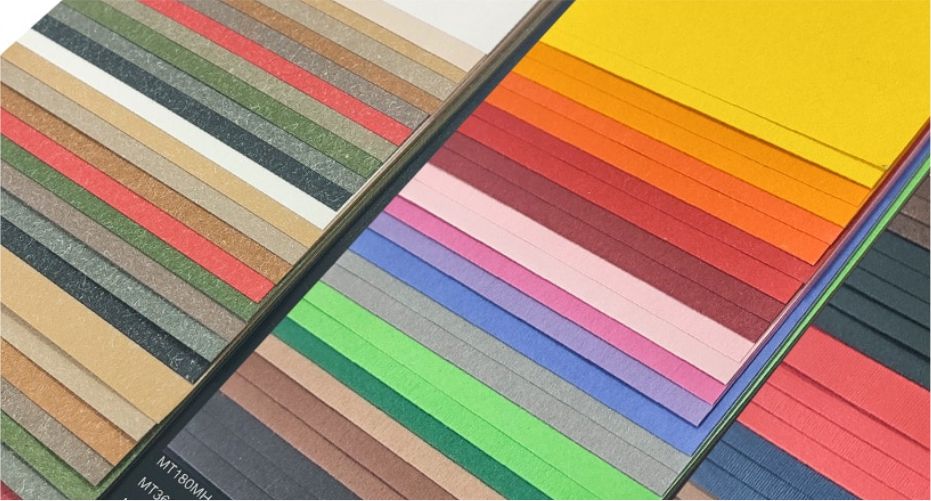
Designer Paper
-
Textured
-
Colored
-
Thicker
-
Used for business cards, certificates, invitations
Suitable for premium products.
2. Paper Weight (gsm)
Paper weight affects rigidity and quality perception:
-
80–100 gsm — documents
-
130–170 gsm — flyers
-
200–250 gsm — brochures and covers
-
300–350 gsm — business cards
-
350+ gsm — packaging
Higher weight gives a more premium feel.
3. Matte or Gloss?
Gloss
-
Brighter colors
-
Photos look vibrant
-
Great for advertising
Matte
-
More elegant and premium look
-
No glare
-
Ideal for corporate materials
4. Purpose of the Product
Ask yourself:
-
Is it for advertising or official use?
-
Will it be folded?
-
Will it be laminated?
-
Does it need to be writable?
For example:
-
Restaurant menus — thick paper + lamination
-
Catalogs — 150–200 gsm coated paper
-
Business cards — 300–350 gsm
5. Digital or Offset Printing?
In digital printing, paper structure is very important. Very thick or extremely smooth paper may behave differently. For thick materials, creasing before folding is recommended to prevent cracking.
Conclusion
The right paper:
-
Enhances brand value
-
Improves product appearance
-
Increases durability
-
Creates a strong first impression
If you are unsure, the Printshop team can help you choose the best option according to your budget and goals.