
Thermal vs cold lamination: what is the difference and which to choose?
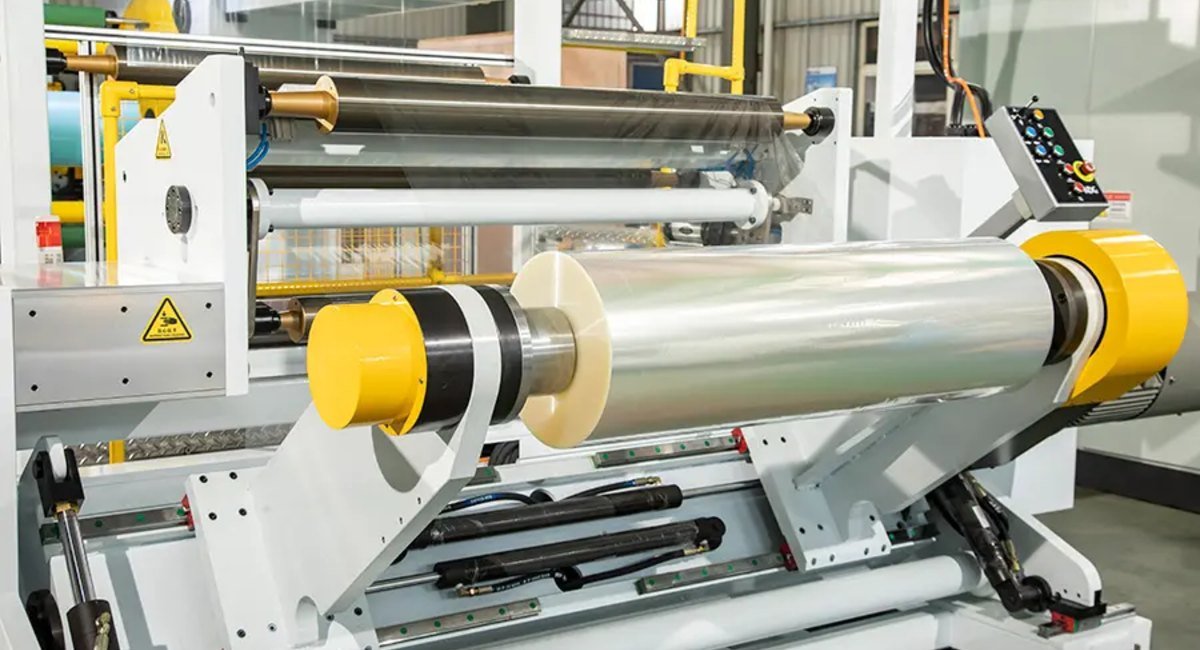
Lamination means applying a thin film over a printed sheet. The film protects paper from moisture, scratches and dirt, makes colours look richer and gives the product a premium look. Book covers, boxes, business cards, menus and catalogues are usually laminated. Roll lamination comes in two main types: thermal (hot) and cold. Let's look at the differences.
Thermal (hot) lamination
Thermal lamination film comes with a pre-coated adhesive layer (usually EVA) on one side. The laminator presses the film onto the paper with a heated roller; the heat melts the adhesive and the film bonds firmly to the paper.
- Advantages: no extra glue needed, the process is clean and fast; the laminator is simple; ideal for short and medium runs
- What to watch: temperature and pressure must suit the paper and film; per square metre the film costs a little more than cold lamination film
- Used for: book and magazine covers, boxes, business cards, brochures and everyday print-shop work
For example, BTFG500 at Printshop is a glossy thermal lamination roll – 50 cm wide, 17 microns thick and 3000 m long.
Cold lamination
Cold lamination film has no pre-coated adhesive. The adhesive (usually water-based) is applied to the film on the laminating machine, and then the film is pressed onto the paper. This is an industrial method designed for long runs.
- Advantages: the lowest cost per square metre; the film is thin and the rolls are long, so it is very economical for large runs
- What to watch: requires a dedicated laminating line with an adhesive system and dryer; adhesive amount and drying must be set correctly
- Used for: large print-house orders such as packaging, book covers, catalogues and magazines
For example, BFG44.5 is a glossy cold lamination roll – 44.5 cm wide, 12 microns thick and 5000 m long.
Note: the term "cold lamination" is sometimes also used for self-adhesive film used on posters and photos. That is a different product from industrial roll lamination and needs no heat.
Film types: which effect do they give?
- Gloss – makes colours brighter and more contrasting; for photos and vivid designs
- Matte – no reflections, text is easy to read, looks calm and premium
- Soft-touch (velvet) – feels soft like velvet; for luxury packaging, business cards and covers. Especially striking with hot foil on top
- Metallic – gold, silver, red, black and pearl films that give the whole surface a metallic shine
How to read the product codes
In Printshop's lamination codes, the letter G means gloss and M means matte, and the number at the end is the roll width. For example, BTFG500 – gloss thermal film, 50 cm wide; BTFM350 – matte thermal film, 35 cm wide; BFM31.5 – matte cold film, 31.5 cm wide. Choose the roll width to suit your sheet format and machine.
Film thickness (microns)
- 12–17 µm – thin, flexible film; for folded covers, catalogues and boxes
- 25–30 µm and thicker – stiffer, more durable protection; for menus, cards and items handled often
Why does lamination bubble or not stick?
The most common problems and how to solve them:
- Digital (toner) prints – some digital presses leave silicone oil on the surface, so standard film does not bond well. For such jobs choose a digital-compatible super-stick film
- Offset ink not fully dry – wait until the ink is completely dry before laminating, usually at least 24 hours
- Temperature too low or too high – too low and the film won't stick, too high and the paper curls and bubbles appear; adjust using a test sheet
- Damp paper – store paper in a dry place and let paper from a cold warehouse reach room temperature
Always score laminated heavy covers before folding so they do not crack. More here: Scoring and folding: why does paper crack?
Which one to choose?
- Short and medium runs, simple laminator – thermal lamination
- Long runs, industrial laminating line – cold lamination
- Vivid colours, photos – gloss film
- Elegant, premium look – matte or soft-touch film
- Toner-based digital print – digital-compatible thermal film
Summary
- Thermal lamination – pre-coated film bonded by heat, simple to use
- Cold lamination – adhesive applied on the machine, the most economical for long runs
- Choose the finish (gloss, matte, soft-touch, metallic) and thickness to suit the job
Printshop stocks thermal and cold lamination films in gloss, matte, soft-touch and metallic finishes. For details and prices, call us or write on WhatsApp: 050 890 11 44. Address: A. Salamzade street, Baku.